Primary School
The Primary phase at EBIS builds on the strong foundations established in the Early Years and supports children as they develop into confident, capable and independent learners. During these important years, students deepen their knowledge, develop key academic skills and begin to take greater ownership of their learning.
Our Primary curriculum is designed to provide a broad and balanced education that combines strong academic foundations with opportunities for creativity, exploration and personal development. Through high-quality teaching, meaningful learning experiences and strong relationships, we aim to ensure that every child feels supported, challenged and inspired to achieve their best.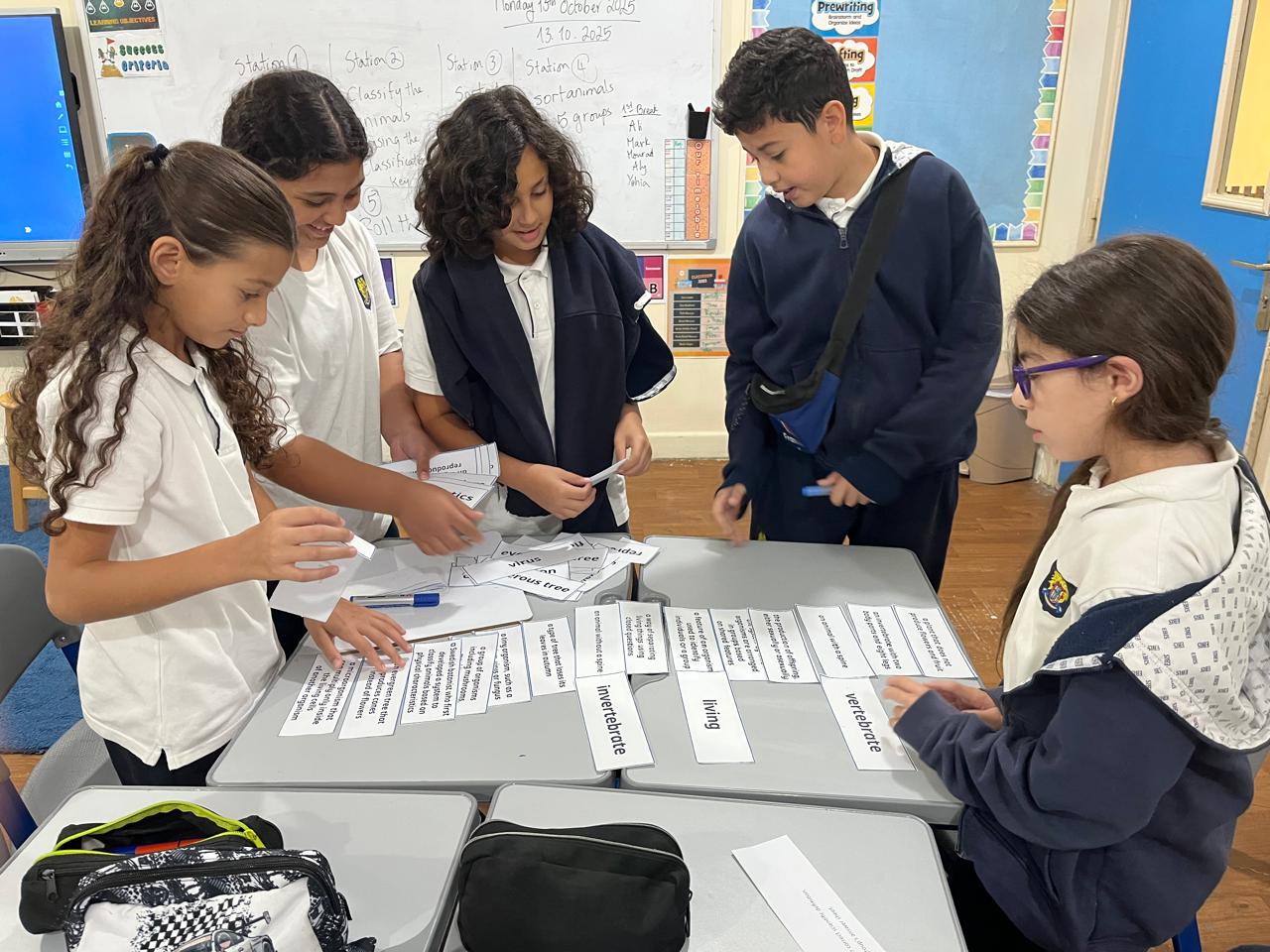
A Supportive and Ambitious Learning Environment
At EBIS, we believe that children achieve their best when they feel safe, valued and confident within their learning environment. Our Primary classrooms are places where positive relationships between students and staff are prioritised and where children are encouraged to develop confidence, resilience and independence.
Safeguarding and wellbeing remain central to everything we do. Staff are trained in safeguarding procedures and work together to ensure that the school environment is safe, supportive and responsive to the needs of every child. Clear routines and consistent expectations help create calm and purposeful classrooms where children can focus on their learning.
We aim to create an environment where children feel confident to ask questions, take risks in their learning and develop the perseverance needed to tackle new challenges.
A Broad and Balanced Curriculum
The Primary curriculum at EBIS follows the English National Curriculum, providing a strong academic foundation while ensuring children develop a wide range of knowledge and skills. The curriculum has been carefully designed to reflect the needs of our local Egyptian context. Our bespoke approach brings together the best of British education with an appreciation of the culture, history and heritage of Egypt, helping students develop both a strong academic grounding and a meaningful connection to the country in which they live.
Students develop their understanding across a range of subjects including:
- English
- Mathematics
- Science
- World Studies (including Geography and History)
- Global perspectives
- Computing
- Art
- Music
- Physical Education
- Enrichment
Alongside the British curriculum, students also study Ministry of Education subjects, including Arabic, Egyptian Social Studies and Religion, ensuring students develop an understanding of language, culture and the local context.
Our curriculum is carefully sequenced so that knowledge and skills build progressively from year to year. Teachers design lessons that connect new learning to prior knowledge so that students develop deeper understanding over time.
Specialist Teaching and Learning Spaces
In addition to their class teachers, Primary students benefit from lessons taught by specialist subject teachers in a number of areas. This ensures that students receive high-quality instruction from teachers with strong subject knowledge and expertise.
Students attend specialist lessons in:
- Art
- Music
- Physical Education
- Computing
- Ministry of Education subjects
These subjects are taught in dedicated learning spaces, designed to support high-quality teaching and provide students with the resources they need to develop their skills and creativity.
Our Art rooms provide space and materials for students to explore different artistic techniques and develop their creativity. The Music room allows students to engage in singing, rhythm and instrumental work in an environment designed for musical learning. Physical Education lessons take place in our indoor and outdoor sports facilities, where students develop coordination, teamwork and physical confidence.
Language Pathways and International Connections
As an international school, we believe that learning additional languages helps students develop communication skills, cultural understanding and a global outlook.
From Year 1, students begin an additional language pathway and choose to study either French or German. These languages are taught by specialist teachers who help students develop confidence in speaking, listening, reading and writing while also introducing them to the culture and traditions of the countries where these languages are spoken.
EBIS also benefits from strong connections with the French and German Institutes, which support and enrich our language provision. Through these partnerships, students may have opportunities to engage with cultural activities, language events and initiatives that deepen their understanding of different cultures and traditions. These experiences help students see language learning as meaningful and relevant, while strengthening their sense of belonging within a wider international community.
High-Quality Teaching and Learning
Teaching at EBIS is designed to ensure that every student is both supported and challenged in their learning. Lessons are carefully planned to provide clear learning objectives, structured explanations and opportunities for practice and application. Teachers use a range of strategies to ensure that learning is accessible to all students. Adaptive teaching allows staff to respond to different learning needs within the classroom while maintaining high expectations for all learners.
Questioning, discussion and collaborative activities are used to develop students’ thinking and deepen their understanding. Students are encouraged to explain their ideas, justify their thinking and engage actively in their learning. Regular assessment allows teachers to monitor progress and identify the next steps in learning. This ensures that teaching is responsive and that children continue to make strong progress throughout the Primary years.
Enrichment and Co-Curricular Opportunities
At EBIS we believe that education extends beyond the core curriculum. Enrichment opportunities play an important role in helping children discover their interests, develop new skills and build confidence.
Many enrichment experiences are built into the school day, allowing students to explore creativity, collaboration and leadership within their learning. These may include performances, themed learning projects, enterprise activities, assemblies, cultural events and opportunities for students to present their learning to others.
In addition to this, students can participate in a wide range of after-school activities through our Squads programme. These clubs allow students to explore their interests in areas such as sport and music. Squads provide opportunities for students to develop new skills, work as part of a team and enjoy learning beyond the classroom.
External Competitions and Performance Opportunities
Students at EBIS are encouraged to represent the school in a range of external competitions and events. These experiences allow children to challenge themselves, develop confidence and celebrate their talents in a wider community. Our students regularly take part in sports tournaments, where they develop teamwork, resilience and sportsmanship while representing the school with pride.
Participation in competitions and performances encourages students to strive for excellence while learning the importance of perseverance, teamwork and commitment.
Developing Independence and Student Voice
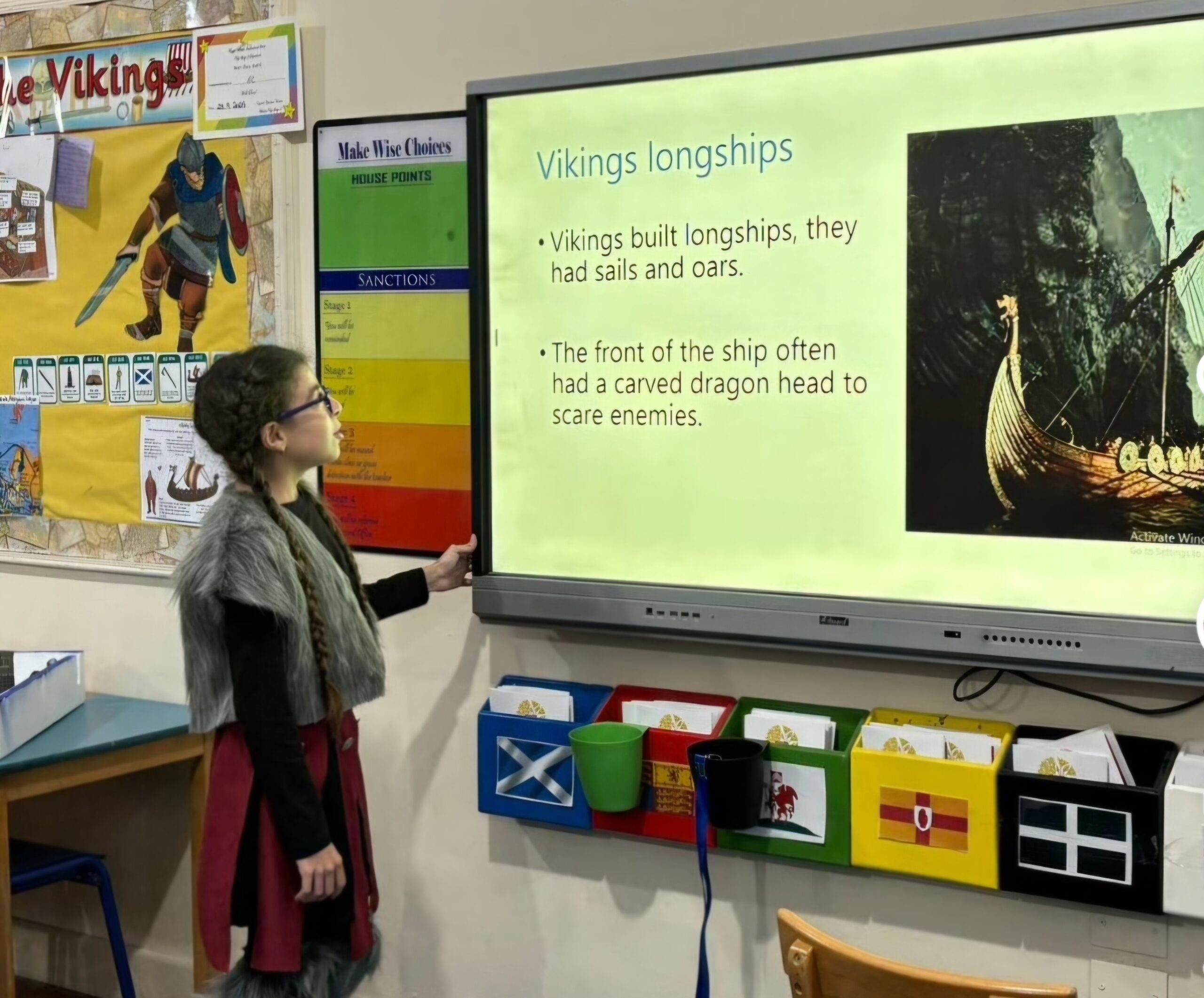
As children progress through the Primary years, they are encouraged to develop greater independence and responsibility for their learning. Students are given opportunities to share their ideas, ask questions and reflect on their progress. Student voice is valued across the school. Children are encouraged to contribute to discussions about their learning, participate in class decisions and take on leadership roles where appropriate. By developing independence, confidence and responsibility, students become active participants in their learning rather than passive recipients of information.
Additional Support and Inclusive Practice
At EBIS we believe that every child should be able to access learning and experience success. Our Primary classrooms are supported by a team of adults who work together to ensure that all students receive the support they need. Additional adults support small group work, targeted learning and classroom activities. This allows teachers to provide more personalised support and ensures that students who need additional guidance receive it quickly and effectively. Where appropriate, targeted interventions and additional support programmes may be provided to ensure that students continue to make progress and feel confident in their learning.
Learning Beyond the Classroom
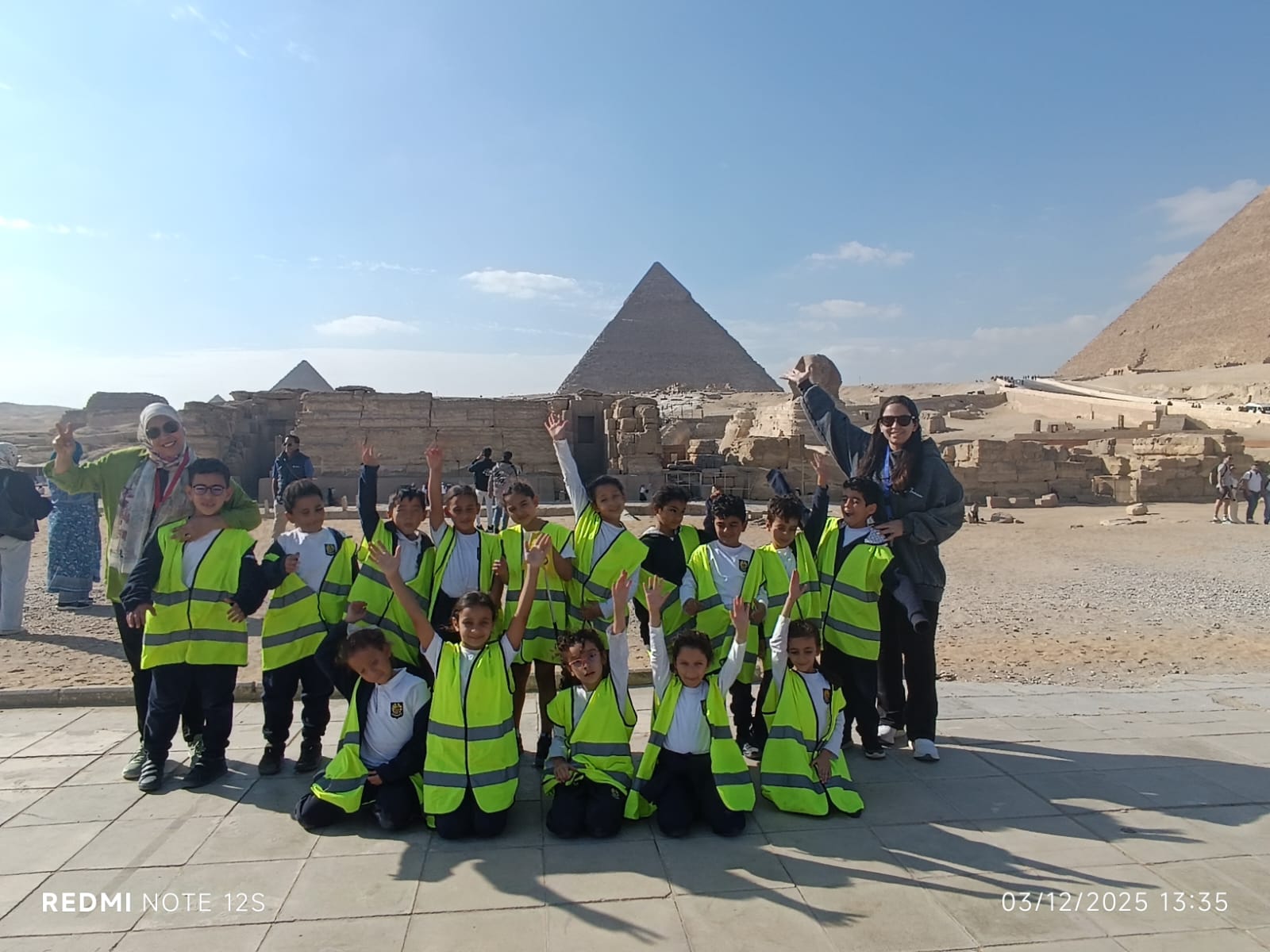
Learning in the Primary years extends beyond the classroom. Educational visits and enrichment activities provide valuable opportunities for students to connect their learning with real-world experiences. Trips and onsite residentials are carefully planned to support the curriculum and allow students to explore, ask questions and deepen their understanding of the topics they are studying and the world around them. These experiences help bring learning to life and support children in developing curiosity about the world around them.
Strong Partnerships with Parents
We believe that strong partnerships between school and home are essential to supporting children’s development and success. Parents are valued members of our school community and play an important role in their child’s learning journey.
Throughout the year, parents are invited into school for a variety of events and activities, including Learn Together days, where they can experience classroom learning alongside their children, and student-led conferences, where pupils take ownership of sharing their progress, achievements and next steps with their families. These opportunities allow families to gain a deeper understanding of how children learn while creating meaningful shared experiences between home and school.
Regular communication between school and home ensures that parents remain informed about their child’s progress and development.
Preparing Students for the Next Stage
The Primary years prepare students for the academic and personal challenges of Middle School. By the end of Year 6, students have developed strong foundations in literacy, mathematics and critical thinking alongside the independence and resilience needed to succeed in the next stage of their education. Students leave the Primary phase as confident learners who are prepared to take greater responsibility for their learning and ready to embrace the opportunities that lie ahead. Above all, our aim is that children leave Primary school with a strong sense of curiosity, confidence and enthusiasm for learning that will continue to guide them throughout their education.
Photos:
Hero Image (Top of the Page)
Purpose: To immediately show a vibrant, engaged learning environment and communicate the energy of Primary school life.
Possible photos:
- A bright classroom scene with students actively engaged in learning
- A teacher interacting with a group of students during a lesson
- Students collaborating on a task around a table
- A wide shot of a modern classroom with students working independently and collaboratively
A Supportive and Ambitious Learning Environment
Purpose: To demonstrate strong relationships between teachers and students and a calm, purposeful learning environment.
Possible photos:
- Teacher working alongside a student providing support
- Students confidently sharing answers during class discussion
- A calm classroom environment with students focused on their work
- Students collaborating on a group activity
- A classroom display wall showing student work
A Broad and Balanced Curriculum
Purpose: To show the variety of learning experiences students engage in across different subjects.
Possible photos:
- A science investigation with students using equipment
- Students working on a geography or history project
- Computing lesson with students using laptops or tablets
- Students presenting their work to the class
- A classroom activity involving maps, models or research
Purpose: To highlight the specialist facilities and subject expertise available to students.
Specialist Teaching and Learning Spaces
Possible photos:
Art
- Students painting or working on an art project in the art room
- Close-up of students creating artwork
Music
- Students playing instruments in the music room
A small group rehearsal or singing session
PE
- Students participating in a PE lesson on the field or court
- A team game or skill development activity
Arabic / MoE subjects
- Students engaged in an Arabic language lesson
- A classroom display featuring Arabic writing or cultural learning
Language Pathways and International Connections
Purpose: To illustrate the international nature of the school and the language learning experience.
Possible photos:
- Students participating in a French or German lesson
- Students using language learning games or activities
- Cultural celebration linked to French or German culture
- A visiting speaker or event connected with the French or German institutes
High-Quality Teaching and Learning
Purpose: To demonstrate active teaching strategies and students engaged in meaningful learning.
Possible photos:
- Teacher explaining a concept to the class using a board or screen
- Students discussing a problem together
- Students responding to questions in class
- A teacher guiding a small group discussion
Enrichment and Co-Curricular Opportunities
Purpose: To show the wider opportunities available to students beyond the traditional classroom.
Possible photos:
- Students performing in an assembly or presentation
- Students working on a creative project or themed learning activity
- Sports training session
- Art or craft club
- Robotics or coding club
- Students participating in music practice
External Competitions and Performance Opportunities
Purpose: To demonstrate student achievement and participation beyond the school.
Possible photos:
- Students participating in a sports tournament
- A school team in sports kit at a competition
- Students performing in a music concert
- Artwork displayed at an exhibition
- Students receiving certificates or awards
Developing Independence and Student Voice
Purpose of the photo:
To show students taking responsibility for their learning and contributing ideas.
Possible photos:
- Students presenting their work to the class
- A student explaining a project to peers
- Students participating in a discussion or debate
- Student council meeting or leadership activity
Additional Support and Inclusive Practice
Purpose of the photo:
To demonstrate the presence of additional adults and personalised support.
Possible photos:
- Teaching assistant working with a small group
- One-to-one reading support
- A small group intervention activity
- Teacher supporting a student during independent work
Learning Beyond the Classroom
Purpose: To show how learning is enriched through real-world experiences.
Possible photos:
- Students on a school trip (museum, historical site, science centre)
- Outdoor learning activity
- Students exploring nature or conducting fieldwork
- A class participating in an educational visit
Strong Partnerships with Parents
Purpose:
To demonstrate the partnership between school and families.
Possible photos:
- Parents attending Learn Together Day
- Parents working alongside children during a classroom activity
- Parent workshop or information session
- Parent and child reading or completing a learning task together
Preparing Students for the Next Stage
Purpose: To show confident, independent learners ready for the next stage of school.
Possible photos:
- Students working independently on written work
- Students collaborating on a project
- A group presentation or showcase of learning
- Students confidently explaining their work to a teacher
Year 1
- Mennatallah Ihab Wagdy Ali Shaheen – 1A Co-Teacher – mennatallah.s@ebis-cordia.net
- Rawan Khaled Amin Alarian -1A Teacher – rawan.kha@ebis-cordia.net
- Habiba Khaled Salah Taha – 1B Co-Teacher – habiba.t@ebis-cordia.net
- Montalla Hussien Khattab Hussien -1B Teacher / Event’s Coordinator -mennatallah.hu@ebis-cordia.net
- Omnia Mohamed Othman Mahmoud -1C Co-Teacher – omnia.ma@ebis-cordia.net
- Erica Keymarsha Blackmon -1C Teacher / Year 1 Head – erica.b@ebis-cordia.net
- Marina Sherif Thabet Morkos -1D Co-Teacher – marina.k@ebis-cordia.net
- Donya ElSayed Mohamed Aly Elhamaky -1D Teacher – donya.e@ebis-cordia.net
Year 2
- Mariam Mohamed Mohamed Mostafa El Hadad -2A Teacher / Year 2 Head – mariam.h@ebis-cordia.net
- Alaa Mohamed Nabeel Abdel Aziz Hassabu -2A Co-Teacher -Alaa.h@ebis-cordia.net
- Radwa Nady Mohamed Mahmoud -2B Co-Teacher – radwa.ma@ebis-cordia.net
- Farida Nabil Ahmed Hilmy -2B Teacher – farida.h@ebis-cordia.net
- Omnia Mohamed Fathy Mohamed ElKordy -2C Co-Teacher / KS1 Co-Teacher Mentor – omnia.m@ebis-cordia.net
- Yasmine Raafat Fathy AbdelHamid Ramzy- 2C Teacher – jasmine.r@ebis-cordia.net
Year 3
- Mai Mourad Mohamed Bayoumi -3A Co-Teacher – mai.b@ebis-cordia.net
- Manar Abdelnaser Rezq Zimmo -3A Teacher – manar.z@ebis-cordia.net
- Jana Mohamed Hafez Mohamed Gharib – 3B Co-Teacher – jana.g@ebis-cordia.net
- Yomna Sherif Ahmed Rammah Mohamed – 3B Teacher – youmna.m@ebis-cordia.net
- Fatma Adel Mohamed Basuony – 3C Co-Teacher – fatma.b@ebis-cordia.net
- Aya Gamal Ibrahim Awad -3C Teacher / year 3 Head – aya.g@ebis-cordia.net
- Mariam Ahmed El-Sayed El Kersh – 3D Co –Teacher – mariam.e@ebis-cordia.net
- Mennatullah Adel Abdelmoniem Abdelhamid Nounou – 3D Teacher – mennatullah.n@ebis-cordia.net
Year 4
- Nourhan Safwat Senousy Mohamed Ali – 4A Co teacher – nourhan.s@ebis-cordia.net
- Huda Muhammad Naguib Abd El-Fattah Ahmed – 4A Teacher – huda.a@ebis-cordia.net
- Kholoud Shawky Elsayed Khamis El-Gamal – 4B Co-Teacher – kholoud.e@ebis-cordia.net
- Eman Mohamed Hany Abdelrahman Abdelhalim – 4B Teacher – eman.a@ebis-cordia.net
- Nessma Amr Kamal Ismael – 4C Co-Teacher – nessma.i@ebis-cordia.net
- Lina Adel Shoukry Mekhaiel – 4C Teacher / Year 4 Head – lina.a@ebis-cordia.net
- Amira Ahmed Abbass Sobeih – 4D Co Teacher – amira.so@ebis-cordia.net
- Manal Mohy El Din Mohamed Abdel Hamid – 4D Teacher – manal.a@ebis-cordia.net
Year 5
- Dina Aly Mahmoud Kandil – 5A Co-teacher – dina.kan@ebis-cordia.net
- Donia Radwan Hanafi Radwan – 5A Teacher – donia.r@ebis-cordia.net
- Heba Ahmed Mohamed Ali – 5B Co-Teacher – heba.ha@ebis-cordia.net
- Mariam Usama Hussein Ahmed – 5B Teacher – mariam.a@ebis-cordia.net
- Samar Reda Ahmed El Banna – 5C Co-Teacher – samar.ba@ebis-cordia.net
- Merihan Mamdouh Sanada Tadros – 5C Teacher / Year 5 Head – merihan.t@ebis-cordia.net
- Shaimaa Mohamed Ismail Mohamed Daoud – 5D Co-Teacher – shaimaa.d@ebis-cordia.net
- Amira Atef Hanna Ghaly – 5D Teacher – amira.g@ebis-cordia.net
Year 6
- Mennatallah Mohamed Abdelhamid Sonbol – 6A Co-Teacher – mennatallah.so@ebis-cordia.net
- Omnia Mohamed Nabil Mahmoud Rostom – 6A Teacher – Omnia.mo@ebis-cordia.net
- Mariam Amr Kamal Ismael – 6B Co- Teacher – mariam.i@ebis-cordia.net
- Engy Mohamed Adel El-Said -6B Teacher – engy.a@ebis-cordia.net
- Fatma El zahraa Hassan Hassaneen Aboelseoud – 6C Co-Teacher – fatma.ab@ebis-cordia.net
- Mona Hosni Mohamed Mahmoud – 6C Teacher / Year 6 Head – mona.ma@ebis-cordia.net
- Wafaa Fawzi Mahmoud Abd-El-Wahab – 6D Co-Teacher – wafaa.ab@ebis-cordia.net
- Donia Karim – 6D Teacher – donia.k@ebis-cordia.net
- Yasmin Ahmed Mounir Mohamed Mesbah – 6E Co-Teacher – yasmin.m@ebis-cordia.net
- Ola Osama Hussei Mohamed Okail- 6E Teacher – ola.o@ebis-cordia.net