Early Years Foundation Stage (EYFS)
The Early Years Foundation Stage at EBIS provides the foundation for a lifetime of learning. These early years are a crucial stage in a child’s development, where attitudes to learning, confidence and independence begin to form. Our approach ensures that children feel safe, valued and inspired to explore the world around them while developing the knowledge, skills and understanding needed for the next stage of their education. At EBIS, we recognise that every child develops at their own pace and arrives at school with their own interests, experiences and strengths. Our experienced Early Years team carefully supports each child’s individual development while creating opportunities for curiosity, exploration and discovery. Through a combination of structured teaching, purposeful play and meaningful experiences, children develop the strong foundations needed for future learning.
A Safe, Nurturing and Stimulating Environment
Children thrive when they feel secure, understood and supported. Creating a warm, caring and structured environment is therefore central to our Early Years provision. Our staff prioritise building
strong relationships with children so that every child feels known, valued and confident in their learning.
Safeguarding and wellbeing are fundamental to everything we do. All members of our Early Years team are fully trained in safeguarding procedures and work closely together to ensure that the learning environment is safe, supportive and responsive to children’s needs. Clear routines, consistent expectations and attentive supervision help children feel secure while gradually developing independence and confidence.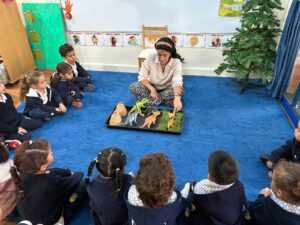
Our classrooms are carefully designed to provide a calm and engaging learning environment. Each area of the classroom is organised to encourage exploration, creativity and interaction. Children have access to a range of high-quality resources that support early literacy, numeracy, communication, construction, imaginative play and creative expression. Outdoor learning is an important part of our provision. Our outdoor areas provide space for physical development, investigation, imaginative play and collaborative learning. Children are encouraged to explore both indoor and outdoor environments throughout the day, helping them develop independence and confidence.
Learning Through Provision and Play
Play is central to learning in the Early Years. Through exploration, experimentation and imaginative play, children develop the skills needed to become confident and capable learners. Our learning environment is carefully designed through a system of continuous provision, where children can access a range of purposeful learning opportunities throughout the day.
Within the classroom and outdoor areas, children engage with a variety of provision areas including construction, role play, small world play, creative arts, mark making, early mathematics, reading areas and investigative spaces. These environments encourage children to explore ideas, solve problems and develop creativity while building important social and communication skills.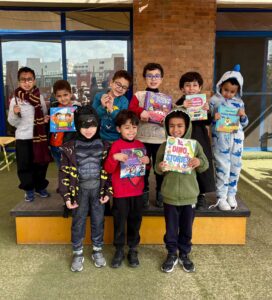
Teachers play an active role in supporting learning through play. By carefully observing children’s interactions and interests, teachers identify opportunities to extend thinking, introduce new vocabulary and guide learning in meaningful ways. This balance between child-led exploration and adult-guided learning ensures that children develop both independence and strong academic foundations.
The EYFS Curriculum
Our curriculum follows the Early Years Foundation Stage framework, which supports children’s development across seven key areas of learning. These areas work together to ensure children develop both the knowledge and personal skills needed for future learning.
The Prime Areas focus on the fundamental skills that underpin children’s development:
● Communication and Language – developing speaking, listening and understanding through conversation, storytelling and interaction.
● Physical Development – building strength, coordination and control through both fine and gross motor activities.
● Personal, Social and Emotional Development – supporting children in developing confidence, resilience, relationships and self-awareness.
Once these foundations are established, children’s learning expands into the Specific Areas:
● Literacy – developing early reading and writing through phonics, storytelling and mark making.
● Mathematics – exploring number, pattern, shape and problem-solving through practical experiences.
● Understanding the World – helping children explore their environment, communities, cultures
and the natural world.
● Expressive Arts and Design – encouraging creativity through music, art, movement and
imaginative play.
Learning experiences are carefully planned to ensure progression while remaining flexible enough to respond to children’s interests and emerging ideas.
Children’s Voice, Choice and Ownership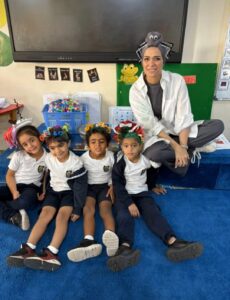 At EBIS we believe children should be active participants in their learning. Encouraging children to share their ideas, ask questions and explore their interests helps them develop confidence, independence and a strong sense of ownership over their learning.
Children are regularly given opportunities to make choices about the activities they engage with and the areas of provision they explore. This supports independence while helping children develop decision-making skills and personal responsibility.
Teachers listen carefully to children’s thoughts, questions and ideas, using these to guide future learning experiences and projects. Children are encouraged to express their opinions, explain their thinking and collaborate with their peers. By valuing children’s voices, we help them develop the confidence to communicate effectively and engage fully in their learning environment.
Additional Adults and Individual Support
Our Early Years classrooms are supported by a strong team of adults who work collaboratively to ensure that every child receives the support they need to thrive. Alongside class teachers, additional adults play an important role in supporting learning throughout the day.
Additional adults help facilitate small group learning, support children during provision time and provide targeted support where needed. Their presence allows for high-quality interactions with children, helping to develop language, extend thinking and support social development.
This structure ensures that children receive the individual attention they need while allowing staff to respond quickly to children’s needs and interests. Where appropriate, additional support can be provided to ensure all children can access learning and feel confident participating in classroom life.
Learning Beyond the Classroom
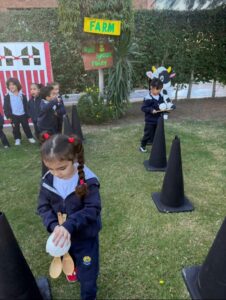 Learning in the Early Years extends beyond the classroom. Educational visits and experiences are an important part of helping children connect their learning to the wider world.
Trips are carefully planned to support the topics and themes being explored in the classroom. These experiences provide opportunities for children to observe, ask questions and develop a deeper understanding of the world around them.
Outdoor learning is also an integral part of our programme. Time spent outdoors allows children to develop physical skills, explore nature and engage in imaginative play while supporting wellbeing and resilience. Outdoor environments encourage risk-taking in a safe and supportive way, helping children build confidence and independence.
Partnership With Parents
We believe that strong partnerships between school and home are essential to supporting children’s development. Parents are valued partners in their child’s learning journey and play an important role in helping children feel confident and supported.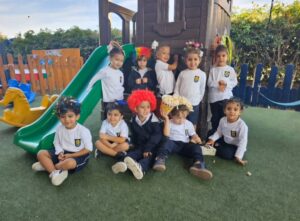
Throughout the year, parents are regularly invited into school to participate in “Learn Together” days, where they can join their children in classroom activities and gain a deeper understanding of how learning takes place in the Early Years. These sessions provide valuable opportunities for parents to see the learning environment in action and share meaningful experiences with their children.
Regular communication ensures parents remain informed about their child’s development and progress.
By working closely together, we can provide consistent support for children both at home and at school.
Preparing Children for the Next Stage
Our Early Years programme prepares children for a confident transition into Year 1. By the end of Reception, children have developed strong foundations in communication, early literacy, writing and mathematics, alongside the social and emotional skills needed to thrive in a more structured learning environment.
Children leave the Early Years with growing independence, curiosity and resilience. They are confident learners who are ready to engage with new challenges, collaborate with others and continue developing their understanding of the world.
EYFS Team
Pre-Nursery
- Donia Samir Mohamed El-Khodary – PN1 Teacher – donia.e@ebis-cordia.net
- Ghada Ayman Mohamed Baheeg Ali – PN1Co – Teacher – ghada.a@ebis-cordia.net
- Yosra Ahmed Tarek Mohamed Rifaat – PN2 Teacher – yosra.r@ebis-cordia.net
- Nourhan ElSayed Aly Abo-Dokhan – PN2 Co – Teacher – nourhan.a@ebis-cordia.net
Nursery
- Yousra Mamdouh Seif-ElDin Hamed Al-Arnaouty – N1 Teacher – yousra.a@ebis-cordia.net
- Alya Ahmed SalahEldeen Ahmed Aly – N1 Co-Teacher – alya.a@ebis-cordia.net
- Heva Maria Marques Ep Eissa – N2 Teacher / Nursery Head – heva.m@ebis-cordia.net
- Mennatallah Mohamed Abdelmoneim – N2 Co –Teacher – mennatallah.a@ebis-cordia.net
- Mzia Meburishvili – N3 Teacher – mzia.m@ebis-cordia.net
- Nayera Saeed Rezk Abd Alraheem – N3 Co – Teacher – nayera.a@ebis-cordia.net
- Maria Luiz Gomes Sousa – N4 Teacher – maria.s@ebis-cordia.net
- Salma Khaled Aly Ahmed Wahba – N4 Co – Teacher – salma.w@ebis-cordia.net
- Tasnim Amir Mohamed Morsi Saleh – N5 Teacher – tasnim.s@ebis-cordia.net
- Habiba Ahmed Shawky Abdel-Mawgoud – N5 Co – Teacher – habiba.ab@ebis-cordia.net
Reception
- Alaa Ahmed Mahmoud Saleh – R1 Teacher – alaa.s@ebis-cordia.net
- Dina Wagdy Abdel Azim Taha – R1 Co-Teacher – dina.w@ebis-cordia.net
- Fatma Elzahraa Mohamed Fathy Amin – R2 Teacher – fatma.am@ebis-cordia.net
- Ghadir Amin Abdel Hameed Hussein Khalil – R2 Co – Teacher – ghadir.h@ebis-cordia.net
- Mariam Elhusseiny Ahmed Fathy Arafa – R3 Teacher – mariam.ar@ebis-cordia.net
- Aliaa Hassan Ali Soliman – R3 Co – Teacher – aliaa.h@ebis-cordia.net
- Rana Aly Maher Aly Abo-Zeid – R4 Teacher – Reception Head – rana.al@ebis-cordia.net
- Sarah Ahmed El-Sayed El-Gohary R4 Co – Teacher – sarah.e@ebis-cordia.net
- Ashaymaa Roshdy Sayed Abou Zeid – R5 Teacher – alshaymaa.r@ebis-cordia.net
- Nahla Adel Hassan Halawa – R5 Co – Teacher – nahla.h@ebis-cordia.net
- Caroline Sameh Raouf Kaldas Mekhael – R6 Teacher – caroline.m@ebis-cordia.net
- Suzan Adel Mohamed Omar – R6 Co – Teacher – suzan.a@ebis-cordia.ne